
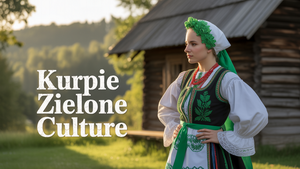
Kurpie Zielone: Poland's Hidden Cultural Treasure
Nestled in northeastern Poland lies a region of extraordinary cultural richness and natural beauty. The Kurpie Zielone (Green Kurpie) region captivates visitors with its distinctive folklore, colorful traditions, and the warm hospitality of its people. This unique corner of Poland, shaped by centuries of relative isolation within the Puszcza Zielona (Green Forest), has preserved authentic customs that have largely disappeared elsewhere. Join us on a journey through this fascinating land where time seems to move at its own pace, and ancient traditions remain vibrantly alive.
The Land and Its People: Geography and History of Kurpie Zielone

The picturesque landscape of Kurpie Zielone with its characteristic forests and traditional settlements
The Kurpie Zielone region is located in northeastern Poland, primarily in the Mazovian Voivodeship, extending into parts of the Podlaskie Voivodeship. At its heart lies the magnificent Puszcza Zielona (Green Forest), a vast woodland that historically provided both protection and livelihood for the local population. The region is crisscrossed by several rivers, with the Narew River serving as its natural backbone.
Major settlements in the region include Ostrołęka (the largest city), Myszyniec (often called the "capital of Kurpie"), Kadzidło, and Łyse. These towns serve as cultural centers where Kurpian traditions are actively preserved and celebrated.
Historical Development
The Kurpie people emerged as a distinct cultural group in the 17th century, though the earliest settlers appeared in the forest as early as the 15th century. What makes the Kurpie unique is their historical status as free people during times when most peasants lived under feudal obligations. The first inhabitants came to the forest seeking refuge from wars, persecution, or to escape serfdom.
The name "Kurpie" derives from the distinctive footwear called "kurpie" or "kurpś" that locals made from lime tree bark. These practical shoes were well-suited for navigating the marshy forest terrain. The "Zielone" (Green) in Kurpie Zielone refers to the Green Forest, distinguishing it from Kurpie Białe (White Kurpie) located in the Puszcza Biała (White Forest) further west.
The Kurpie people developed a strong sense of independence and self-reliance, skills that served them well during Poland's turbulent history. During national uprisings, particularly the November Uprising (1830-1831) and January Uprising (1863-1864), the Kurpie gained fame for their exceptional marksmanship and guerrilla warfare tactics.
Unlike many other regions, Kurpie maintained its distinctive cultural identity through centuries of political changes, preserving unique traditions, dialect, crafts, and architecture that continue to fascinate visitors today.
Living Heritage: Culture and Traditions of Kurpie Zielone
The cultural heritage of Kurpie Zielone stands out as one of the most distinctive and well-preserved in Poland. Isolated by forests and marshes for centuries, the Kurpie people developed unique traditions that continue to thrive today.
Architecture and Settlements
Traditional Kurpian wooden architecture is immediately recognizable by its characteristic features. Houses were typically constructed from pine logs with decorative elements adorning gables, windows, and doors. The most distinctive feature is the ornate woodcarving, especially on the corners of buildings and around windows.
A traditional Kurpian homestead consisted of a residential house, barn, granary, and other outbuildings arranged around a central yard. Many of these historical structures have been preserved in local open-air museums (skansens), particularly in Kadzidło and Nowogród.
Folk Costumes and Crafts
The traditional Kurpian folk costume is among the most colorful in Poland. Women's attire features vibrant embroidery, often with floral motifs in red, green, and yellow. Men traditionally wore white linen shirts, colorful vests, and distinctive hats decorated with peacock feathers for special occasions.
Famous Kurpian Crafts:
- Paper cutouts (wycinanki) with intricate geometric and floral patterns
- Amber processing - the region was known for its amber deposits
- Weaving and embroidery with distinctive regional patterns
- Woodcarving, particularly for architectural decorations and household items
- Palm making for Palm Sunday - Kurpian palms are among the tallest and most elaborate in Poland
Language and Dialect
The Kurpian dialect is a fascinating linguistic phenomenon that preserves many archaic features of the Polish language. In 2009, Professor Jerzy Rubach developed standardized spelling rules for the Kurpian literary dialect, helping to preserve this important aspect of cultural heritage.
The dialect features several unique sounds not found in standard Polish, including vowels marked with special letters: ï, é, ë, and å. Due to a linguistic feature called "mazurzenie" (mazuration), certain consonants are pronounced differently than in standard Polish.
Experience Living Traditions
Immerse yourself in the vibrant cultural heritage of Kurpie Zielone by visiting during one of the region's traditional festivals. Witness centuries-old customs come alive through music, dance, crafts, and ceremonies.
Flavors of the Forest: Kurpian Regional Cuisine

Rejbak - a traditional potato-based dish that exemplifies Kurpian cuisine
The culinary traditions of Kurpie Zielone reflect the region's forest environment and agricultural heritage. Simple ingredients transformed through time-honored techniques result in dishes of remarkable flavor and character.
Signature Dishes
Kurpian cuisine is hearty and satisfying, traditionally based on locally available ingredients. Forest resources provided mushrooms, berries, and honey, while fields yielded potatoes, grains, and vegetables. Some of the most iconic dishes include:
- Rejbak - a potato-based dish similar to a potato cake, often containing bacon, onions, and marjoram
- Fafernuchy - spiced cookies made with carrots, honey, and pepper, shaped like small dumplings
- Psiwo Kozicowe - traditional juniper beer
- Pieczenie Kurpiowskie - meat roasted with forest herbs
- Byśki - sweet yeast buns with various fillings

Fafernuchy - traditional spiced cookies unique to the Kurpie region
Beekeeping and Honey
Beekeeping has a special place in Kurpian culture. For centuries, forest beekeeping (bartnictwo) was one of the main occupations in the region. Honey was not only a sweetener but also used in traditional medicine and for making mead. The annual Honey Harvest Festival (Miodobranie Kurpiowskie) in Myszyniec celebrates this important tradition.
When visiting Kurpie Zielone, don't miss the opportunity to taste authentic regional dishes at local restaurants or during folk festivals. Many agritourism farms also offer traditional meals prepared according to recipes passed down through generations.
Natural Wonders: Exploring the Landscape of Kurpie Zielone

The picturesque Narew River - the natural backbone of the Kurpie Zielone region
The natural environment of Kurpie Zielone offers a refreshing escape from urban life. The region's landscape is characterized by expansive forests, meandering rivers, and diverse ecosystems that support a rich variety of flora and fauna.
Puszcza Zielona (Green Forest)
The heart of the region is the Puszcza Zielona (Green Forest), a vast woodland complex that historically provided both protection and livelihood for the Kurpie people. Today, significant portions of the forest are protected as nature reserves and parts of the Narew National Park.
The forest is predominantly composed of pine trees growing on sandy soils, interspersed with wetlands and meadows. This diverse habitat supports numerous plant and animal species, including some rare and endangered ones.
Rivers and Waterways
The Narew River and its tributaries form the hydrological backbone of the region. The Narew is known as "the Polish Amazon" due to its anastomosing river system - a rare phenomenon where the river splits into multiple interconnected channels that weave through wetlands.
These waterways offer excellent opportunities for kayaking and canoeing. The Omulew River, flowing from Lake Omulew to its confluence with the Narew, is a particularly popular kayaking route, offering beautiful landscapes and relatively easy navigation.

Kayaking on the Narew River - a popular activity for nature enthusiasts
Tourist Attractions and Activities
The natural environment of Kurpie Zielone offers numerous opportunities for outdoor recreation and ecotourism:
- Hiking and cycling trails through the Puszcza Zielona
- Kayaking routes on the Narew, Omulew, and other rivers
- Birdwatching in the Narew National Park
- Fishing in local rivers and lakes
- Gathering forest fruits and mushrooms (with appropriate permits)
- Winter activities including cross-country skiing and sleigh rides

Kurpiowska Kraina at Wykrot Lake - a popular recreational complex in the region
The Kurpiowska Kraina recreational complex at Wykrot Lake offers a range of amenities including beaches, water equipment rental, accommodation, and dining options, making it an excellent base for exploring the region.
Map of the Kurpie Zielone region
Living Museums: Experiencing Kurpian Heritage Today

The Kurpie Open-Air Museum in Kadzidło preserves traditional architecture and customs
For visitors eager to experience the rich cultural heritage of Kurpie Zielone, the region offers numerous museums, cultural centers, and events that bring traditions to life.
Museums and Cultural Centers
- Kurpie Open-Air Museum in Kadzidło - A small but authentic skansen featuring traditional wooden buildings from the late 19th and early 20th centuries, including houses, a granary, and farm buildings
- Kurpie Museum in Wachu - A private museum with an impressive collection of over 15,000 objects related to traditional Kurpian culture and daily life
- Museum of Kurpian Culture in Ostrołęka - Houses extensive collections of Kurpian folk art, crafts, and historical artifacts in a modern exhibition space

Exhibits at the Museum of Kurpian Culture in Ostrołęka
Traditional Festivals and Events
Throughout the year, Kurpie Zielone comes alive with colorful festivals celebrating various aspects of regional heritage:
- Palm Sunday in Łyse - Famous for its competition of enormous, colorful Kurpian Easter palms, some reaching heights of 10 meters
- Honey Harvest Festival (Miodobranie Kurpiowskie) in Myszyniec - Celebrates the region's beekeeping traditions
- Kurpian Wedding (Wesele Kurpiowskie) in Kadzidło - A reenactment of traditional wedding ceremonies and celebrations
- Potato Festival (Kartoflisko) in Turośl - Dedicated to this staple crop of Kurpian cuisine

The famous Palm Sunday celebration in Łyse featuring towering decorative palms
These events offer visitors the opportunity to experience authentic Kurpian traditions, taste regional foods, purchase handicrafts directly from artisans, and enjoy folk music and dance performances.
Plan Your Cultural Journey
Discover the authentic traditions and warm hospitality of Kurpie Zielone. From folk festivals to museum visits, create memories that connect you with Poland's living heritage.
Practical Guide to Visiting Kurpie Zielone

Visitors experiencing traditional Kurpian culture and crafts
Getting There and Around
The Kurpie Zielone region is approximately 120-150 km northeast of Warsaw. The most convenient way to reach and explore the area is by car, as public transportation between smaller localities can be limited.
Major access routes include:
- Road S8 from Warsaw to Ostrów Mazowiecka, then local roads
- Road 61 from Warsaw through Legionowo and Pułtusk to Ostrołęka
- Road 53 connects Ostrołęka with Myszyniec and continues to Szczytno
Accommodation
The region offers various accommodation options, from hotels in larger towns like Ostrołęka to charming agritourism farms that often provide an authentic experience of rural life and traditional cuisine:
- Kurpiowska Kraina at Wykrot Lake - A holiday resort with hotel, camping, and recreational facilities
- Numerous agritourism farms throughout the region, especially near Kadzidło, Myszyniec, and Łyse
- Hotels and guesthouses in Ostrołęka and other larger towns
Best Time to Visit
Kurpie Zielone is beautiful year-round, but the best experiences depend on your interests:
- Spring - Ideal for witnessing the Palm Sunday celebrations (the Sunday before Easter) and enjoying the awakening nature
- Summer - Perfect for outdoor activities, water recreation, and numerous folk festivals
- Autumn - Beautiful forest colors and mushroom gathering season
- Winter - Quieter season with opportunities for cross-country skiing and experiencing traditional Christmas customs

Winter in Kurpie Zielone offers a peaceful atmosphere and seasonal traditions
Visitor Tip: To fully experience the region's cultural richness, consider timing your visit to coincide with one of the major festivals. Check the calendar of events on the regional tourism websites before planning your trip.
Discover Your Own Kurpie Story
The Kurpie Zielone region offers a rare opportunity to step into a world where traditions remain vibrantly alive and nature continues to shape daily life. Whether you're drawn by the colorful folk art, the pristine forests, the distinctive cuisine, or simply the chance to experience an authentic slice of Polish heritage, Kurpie welcomes you with open arms.
Unlike more commercialized tourist destinations, this region provides genuine connections with local culture and people. Here, traditions aren't merely performed for visitors but lived as part of everyday life. The distinctive character of Kurpie Zielone, forged through centuries of relative isolation and self-reliance, continues to thrive in the modern world.
As you explore the wooden architecture, taste the hearty local dishes, listen to traditional music, or paddle along the meandering rivers, you'll discover your own personal connection to this enchanting land. The Kurpie Zielone region isn't just a place to visit—it's an experience that stays with you long after you've returned home.
Begin Your Kurpie Adventure
Immerse yourself in the authentic traditions, breathtaking nature, and warm hospitality of Poland's most distinctive cultural region.
- Kategoria: Informacje
- Odsłon: 93474
